Vietnam Travel Agent

An overnight train can be a practical way to travel between destinations in Vietnam while spending the night on board. It may suit travelers comfortable spending the night on board, but it is not right for every itinerary. Consider the route, arrival time, cabin arrangement and how well you sleep when deciding whether a Vietnam overnight train fits your plans.

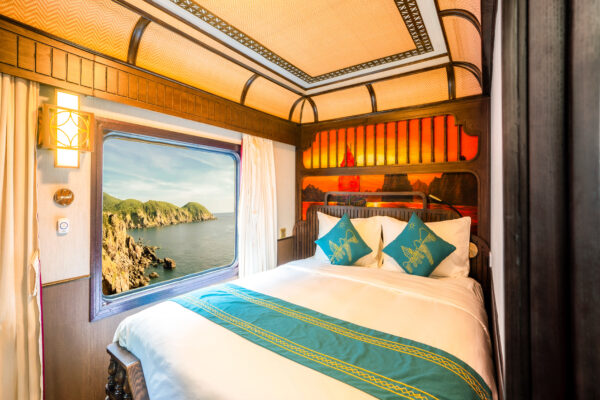
Travelers can consider overnight services on routes such as Hanoi to Hue or Da Nang, and Ho Chi Minh City to Nha Trang. The section between Hue and Da Nang is known for coastal scenery, making the rail journey part of the experience rather than simply a transfer.
Routes, journey durations and available services can vary. Check the specific service for your travel date. Consider where the stations are in relation to your accommodation and what time you are likely to arrive.
Shared sleeper compartments may have six or four berths, depending on the service. A six-berth compartment has more sleeping spaces and may be a more economical choice, but you share it with more passengers. A four-berth compartment may feel less crowded, with more room and privacy.
Booking a berth does not necessarily give you the entire compartment. Unless your booking specifically confirms private use, expect other travelers may occupy the remaining berths. If you are traveling as a couple or group, check how berth allocation works rather than assuming you will be placed together.
Sleeper berths are designed for resting during the journey. Ordinary seats are a different option and may be less suitable if you want to lie down overnight. Compare the available accommodation types with your comfort needs and budget.

Review the departure and arrival stations, travel date and route carefully. Confirm the cabin category and whether your ticket is for an upper or lower berth, if offered. Check passenger details and booking conditions, including rules for changes or cancellations.
Think about your travel companions, luggage and privacy needs. If you have an early arrival, consider whether you can access your accommodation or store your bags before check-in. Verify current availability and ticket details with the booking provider before planning around a particular service.
Pack a small day bag with items you may want during the night. Useful options include water, snacks, tissues, earplugs, an eye mask and a phone charger. Keep valuables and important documents secure but accessible.
Bring only what you need close at hand, and be considerate of other passengers when organizing your belongings or using shared space. Facilities can differ between trains, so check the details of your chosen service instead of relying on assumptions.

Coordinate your arrival time with your accommodation and onward transport. Allow flexibility in case your journey takes longer than expected, and check how you will get from the station to your next stop. Keep your passport and other travel documents accessible, and make sure your planned travel dates fit within the validity of any visa you need.
Planning a trip to Vietnam? Make sure your travel documents are ready before you go. Our team can help you prepare your Vietnam visa application, with 30-day and 90-day options and single-entry or multiple-entry choices to suit your travel plans. Contact us to discuss the right option for your visit.
Send us your questions. Our experts will answers.
Ask your questionOur support gurus are here to help you solve all your challenges. Check out our FAQs, send us an email, or give us a call.


Copyright © 2002-2026 by Vietnam-Visa.Org.Vn. All rights reserved.
Thank you for choosing Vietnam-Visa.Org.Vn online services. Please be advised that we are independent organization and not affiliated to Government. Providing Vietnam visa applications online for travellers with purpose as tourist, study or business. We will implement a service fee for all applications related visa to Vietnam.
Once you use our services, we have a mission to handle visa applications in Vietnam Immigration Department and provide the legal services to you and on time. You can also obtain Vietnam visa by yourself at Vietnam Embassies in your living country or visit the official website for a lower price.
