Vietnam Travel Agent

Vietnam has become an increasingly popular destination for travelers, thanks in part to its easy-to-obtain E-Visa. However, obtaining the visa is just the first step. To ensure a smooth trip, here’s what you should do (and avoid) after receiving your Vietnam E-Visa.

Before you embark on your journey, carefully review the information on your E-Visa. Ensure that your name, passport number, nationality, and other details match the information in your passport. Even minor mistakes could cause issues at immigration.

Be mindful of the visa's validity period. Entering Vietnam before or after the valid period could cause serious problems at immigration, so plan your trip accordingly.
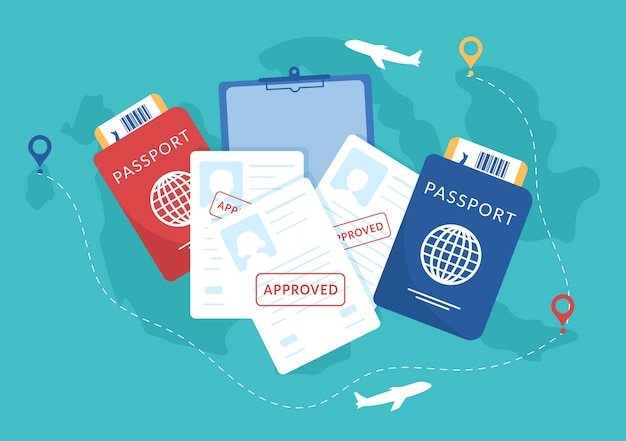
Ensure you have essential travel documents, including:
_ A valid passport (with at least six months of validity remaining)
_ Your E-Visa

Once you arrive in Vietnam, respect the local laws, culture, and traditions. Vietnam has strict rules on drug possession, public behavior, and respecting cultural norms, so it’s important to familiarize yourself with these regulations beforehand.

While spontaneity can be fun, having a rough itinerary can help you make the most of your time in Vietnam. Research popular attractions, local cuisines, and cultural experiences to include in your plans.

Overstaying your E-Visa can result in fines, penalties, or even deportation. If you think you may need more time in Vietnam, it’s best to apply for a longer visa beforehand or consider doing a visa run rather than risk overstaying.
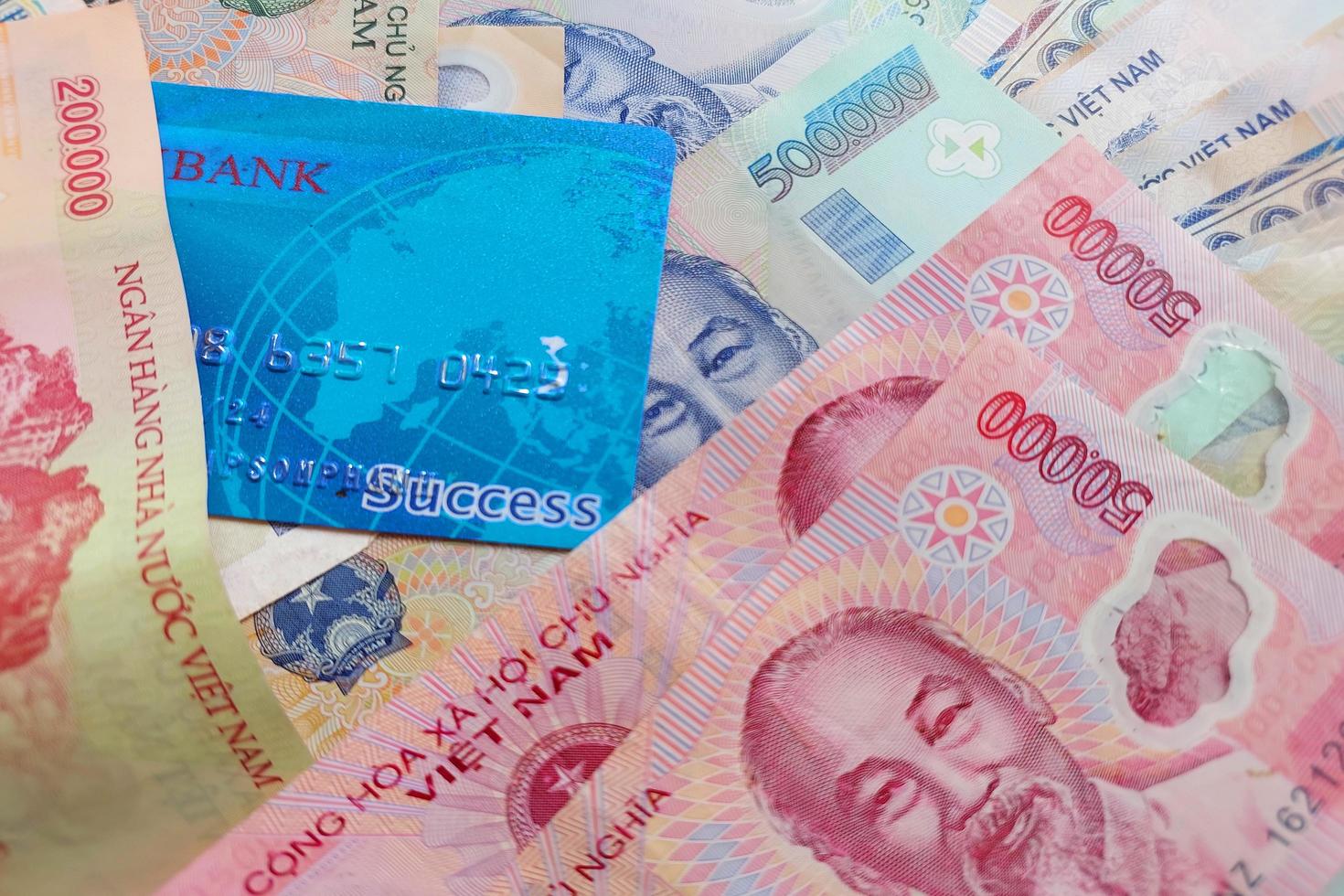
While major cities like Hanoi and Ho Chi Minh City are increasingly card-friendly, many parts of Vietnam still operate mostly on cash. Make sure to exchange some money into the local currency (Vietnamese Dong) upon arrival.

Although English is widely spoken in tourist areas, it’s not as common in rural parts of Vietnam. Learning a few basic Vietnamese phrases or using a translation app can go a long way in enhancing your travel experience.
Make sure to follow local health and safety regulations, especially concerning food and water safety. Always drink bottled water, avoid street food that seems unhygienic, and take care when exploring areas with heavy traffic or unfamiliar terrains.

Receiving your Vietnam E-Visa is an exciting step toward your adventure, but it’s important to be prepared. By following these do’s and don’ts, you’ll have a smoother, stress-free experience in Vietnam and avoid potential issues that could disrupt your trip.
.jpg)
.png)
.png)
.png)
.png)
Send us your questions. Our experts will answers.
Ask your questionOur support gurus are here to help you solve all your challenges. Check out our FAQs, send us an email, or give us a call.





Copyright © 2002-2026 by Vietnam-Visa.Org.Vn. All rights reserved.
Thank you for choosing Vietnam-Visa.Org.Vn online services. Please be advised that we are independent organization and not affiliated to Government. Providing Vietnam visa applications online for travellers with purpose as tourist, study or business. We will implement a service fee for all applications related visa to Vietnam.
Once you use our services, we have a mission to handle visa applications in Vietnam Immigration Department and provide the legal services to you and on time. You can also obtain Vietnam visa by yourself at Vietnam Embassies in your living country or visit the official website for a lower price.
